

Introduction
In today's digital age, data centers play a crucial role in supporting the vast network of online services and applications that we rely on daily. These facilities house servers and other critical equipment that store, process, and transmit data over the internet. One of the key requirements for data centers is a reliable source of power to ensure uninterrupted operations. While data centers typically have access to the main electrical grid, the use of diesel generators as backup power sources has become standard practice to mitigate the risks of power outages and ensure continuous operations. This article explores the role of diesel generators in powering data centers, their design considerations, operational challenges, and the future outlook for this critical infrastructure component.
Importance of Reliable Power Supply for Data Centers
Data centers are designed to operate 24/7, 365 days a year, without any interruptions. Any loss of power, even for a few seconds, can have significant consequences, ranging from financial losses to reputational damage. Downtime in data centers can result in lost revenue, decreased productivity, and potential data loss. In industries such as finance, healthcare, and e-commerce, where real-time data processing is essential, any disruption in services can have severe implications.
Given the critical nature of data center operations, ensuring a reliable power supply is paramount. While grid power is the primary source of electricity for most data centers, it is susceptible to outages caused by natural disasters, equipment failures, or human errors. To mitigate these risks, data centers deploy backup power systems, with diesel generators playing a central role in providing emergency power during grid outages.
Role of Diesel Generators in Data Centers
Diesel generators are a proven and reliable source of backup power for data centers. These generators are designed to start automatically within seconds of a power outage, providing seamless transition from grid power to generator power. The ability of diesel generators to rapidly respond to load variations and provide continuous power for extended periods makes them well-suited for supporting critical data center operations.
In a typical data center setup, diesel generators are installed in dedicated generator rooms or outdoor enclosures. These generators are connected to the main electrical switchgear through automatic transfer switches (ATS) that detect grid power failures and initiate the startup sequence of the generators. Once the generators are running and stable, the ATS transfers the load from the grid to the generators, ensuring uninterrupted power supply to the data center's critical equipment.
Design Considerations for Diesel Generators in Data Centers
The selection and design of diesel generators for data centers require careful consideration of various factors to ensure optimal performance and reliability. Some key design considerations include:
1. look here and Redundancy: Data centers must determine the required capacity of the diesel generators based on the total power demand of the facility. It is essential to have sufficient generator capacity to support all critical loads, including servers, cooling systems, and security systems. Redundancy is also crucial to ensure that a backup generator is available in case of a primary generator failure.
2. Fuel Supply and Storage: Diesel generators rely on diesel fuel to operate, making fuel storage an essential aspect of generator design. Data centers must have adequate fuel storage capacity to support prolonged outages and ensure continuous operation. Regular fuel testing and maintenance are necessary to prevent fuel degradation and ensure the reliability of the generators.
3. Emissions and Environmental Impact: Diesel generators emit pollutants such as nitrogen oxides (NOx) and particulate matter, which can have environmental and health implications. Data centers need to comply with local regulations on emissions and implement mitigation measures such as exhaust gas treatment systems and emission controls to reduce the environmental impact of diesel generators.
4. Cooling and Ventilation: Diesel generators produce heat during operation, requiring adequate cooling and ventilation systems to maintain optimal operating temperatures. Proper airflow and ventilation design are critical to prevent overheating and ensure the longevity of the generators.
5. Maintenance and Testing: Regular maintenance and testing are essential to keep diesel generators in optimal condition and identify any potential issues before they escalate. Data centers should establish comprehensive maintenance schedules, conduct load bank testing to verify generator performance under full load conditions, and keep detailed records of maintenance activities for compliance and audit purposes.
Operational Challenges and Best Practices
While diesel generators are reliable sources of backup power, they are not without their challenges. Some common operational challenges data centers may face when using diesel generators include:
1. Fuel Contamination: Diesel fuel can be prone to contamination from water, microbial growth, and sediment accumulation, which can impact the performance of the generators. Regular fuel testing and treatment are essential to prevent fuel-related issues and ensure the reliability of the generators.
2. Startup Delays: Diesel generators require regular testing and maintenance to ensure they start promptly in the event of a power outage. Delays in startup can disrupt data center operations and lead to downtime. Data centers should establish robust testing procedures and conduct regular maintenance to minimize startup delays.
3. Noise and Vibration: Diesel generators can generate noise and vibration during operation, which can impact the working environment in data centers. Proper acoustic insulation and vibration isolation measures should be implemented to minimize noise and vibration levels and maintain a comfortable working environment for data center staff.
4. Environmental Regulations: Data centers need to comply with environmental regulations governing emissions from diesel generators. Failure to meet regulatory requirements can result in fines and penalties. Implementing emission control technologies and monitoring systems can help data centers meet environmental standards and reduce their impact on the environment.
To address these challenges and ensure the reliable operation of diesel generators in data centers, several best practices can be implemented:
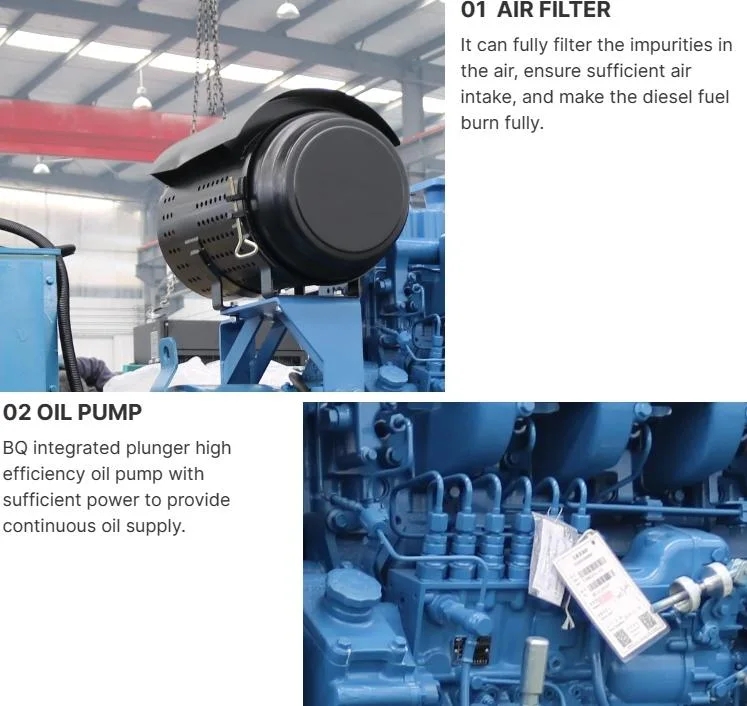
1. Regular Maintenance: Establishing a comprehensive maintenance program that includes routine inspections, oil and filter changes, fuel testing, and load bank testing can help identify and address potential issues before they impact generator performance.
2. Fuel Management: Implementing proper fuel management practices, such as fuel filtration, periodic fuel testing, and fuel polishing, can help prevent fuel contamination and ensure the quality of the fuel supply for the generators.
3. Remote Monitoring: Deploying remote monitoring systems that provide real-time data on generator performance, fuel levels, and alarms can help data center operators proactively manage generator operations and respond swiftly to any issues that arise.
4. Training and Documentation: Providing training to staff on generator operations, maintenance procedures, and emergency protocols is essential to ensure that personnel are equipped to respond effectively in the event of a power outage. Maintaining detailed documentation of maintenance activities and testing results is also critical for compliance and audit purposes.
Future Outlook and Emerging Trends
As data centers continue to expand in size and complexity to meet the growing demand for digital services, the role of diesel generators in ensuring reliable power supply remains vital. However, the industry is also witnessing emerging trends that are shaping the future of backup power systems for data centers. Some of these trends include:
1. Hybrid Power Systems: Data centers are exploring the integration of renewable energy sources, such as solar and wind power, with diesel generators to reduce reliance on fossil fuels and lower carbon emissions. Hybrid power systems combine multiple energy sources to provide a more sustainable and resilient power supply for data center operations.
2. Energy Storage Solutions: The adoption of energy storage technologies, such as lithium-ion batteries, is gaining traction in data centers as a complement to diesel generators. Energy storage systems can provide short-duration backup power, support peak shaving, and enable load shifting to optimize energy consumption and reduce electricity costs.
3. Microgrids: Data centers are exploring the deployment of microgrids, which are localized power distribution systems that can operate independently or in conjunction with the main grid. Microgrids offer enhanced reliability, flexibility, and energy efficiency, making them a promising solution for ensuring continuous power supply in data centers.
4. Smart Grid Integration: Data centers are exploring opportunities to participate in demand response programs and engage with smart grid technologies to optimize their energy usage, reduce costs, and enhance grid stability. By leveraging advanced metering, monitoring, and control systems, data centers can contribute to a more resilient and sustainable energy ecosystem.
Conclusion
In conclusion, diesel generators play a critical role in ensuring the reliable power supply for data centers, supporting their uninterrupted operation and safeguarding against the risks of power outages. Design considerations, operational challenges, and best practices related to diesel generators in data centers underscore the importance of proper planning and maintenance to maximize their performance and reliability. As data centers evolve and embrace new technologies, the future outlook for backup power systems is characterized by a shift towards sustainability, resilience, and innovation. By staying abreast of emerging trends and implementing best practices, data centers can enhance their energy resilience and contribute to a more sustainable digital infrastructure ecosystem.